Published on: April 07, 2026
8 Common Mistakes to Avoid When Using Egg-Free Cake Premixes
A good premix can make baking easier, but only if you use it the right way.
Ever baked an eggless cake that looked perfect on the outside but turned dense, dry, or uneven inside?
It's a common frustration for many home bakers. While egg-free cake premixes make baking easier, small mistakes in measuring, mixing, or baking can affect the final result. This guide is designed for home bakers and small bakery owners who want to understand these mistakes and learn how to achieve soft, fluffy, and consistent cakes every time.
Many home bakers assume that an egg-free premix guarantees perfect cake results because it can be used to make every cake. The mixing process, along with the measurement procedure and the baking temperature and timing method, will determine the results of a high-quality premix.
So, if you have ever wondered why your eggless cake is not fluffy, why the sponge feels dense, or why the cake becomes hard or dense? Here in this guide, below are the 8 most common eggless cake premix mistakes and the simple fixes that can help you bake better, softer, and more consistent cakes.
Why does egg-free cake premix need the right method for baking
An egg-free premix saves time because many dry ingredients are already balanced for you. Many premium premix brands like Zion Foods describe their premix as an easy “just pour, mix and bake” solution and say it is made to deliver rich taste and fluffy texture for home bakers, cafes, and bakeries.
But convenience does not mean one can ignore technique. A premix reduces some guesswork, yet the final result still depends on:
- correct liquid quantity
- proper mixing
- right pan size
- oven accuracy
- correct baking time
- proper cooling
That is why understanding cake premix problems and solutions is so useful, especially for beginners and growing bakery businesses.
Mistake 1: Not measuring the liquid ingredients properly
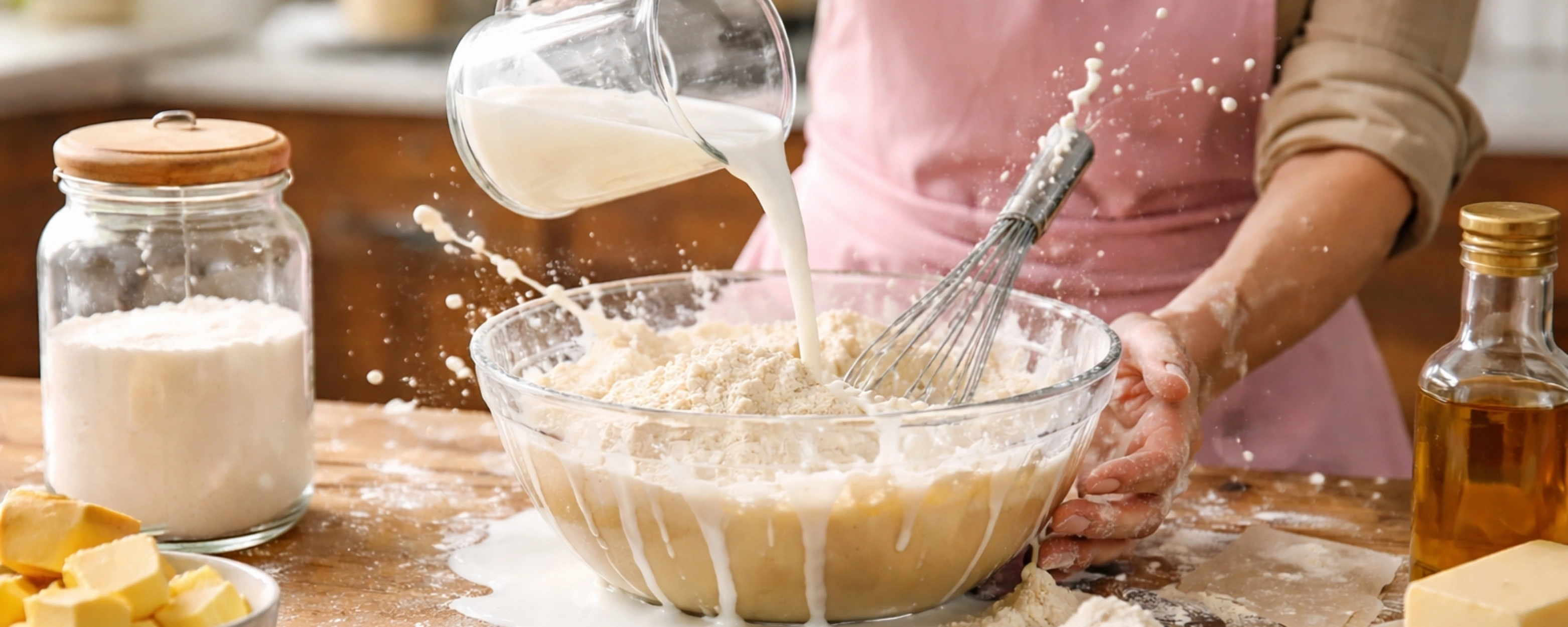
This is one of the biggest reasons an eggless cake goes wrong. Many bakers roughly estimate water, milk, or oil instead of measuring properly. Even a small change can affect texture.
- If you add too much liquid: The batter may become runny, the cake may sink in the centre, or the crumb may turn sticky or underbaked.
- If you add too little liquid: The batter may become too thick, the cake may turn dry, or the final texture may feel hard or heavy.
This is one of the most common answers to why cake becomes hard or dense. Premix formulas are made for balance, so changing the liquid ratio too much can disturb that balance.
What to do instead: Use measuring cups or a digital scale. Follow the mixing instructions exactly. And do not guess by eye, especially for oil and water.
Mistake 2: Overmixing the batter
Overmixing or not following the cut method of mixing the premix cake batter is always an issue. Many new bakers think that more mixing means a smoother and better cake. But overmixing can make the cake dense and tight.
In eggless cakes, overmixing may:
- develop too much structure in the batter
- reduce lightness
- create a tougher crumb
- make the cake less fluffy
If your eggless cake is not fluffy, overmixing may be one reason. Zion Foods' own content emphasises easy-use premixes for soft and fluffy cakes, which means handling the batter gently is part of getting that promised result.
What to do instead: Mix only until the batter looks smooth. Stop once the dry powder is fully combined. And do not keep beating for too long.
Choose the Right Premix for Better Baking Results
If you want consistent, soft, and fluffy cakes every time, choosing a high-quality premix is important. The right product ensures better texture, reliable results, and saves time for both home bakers and bakery professionals.
Get Premium Egg-Free Cake Premix at Wholesale
Contact Us TodayMistake 3: Undermixing the batter
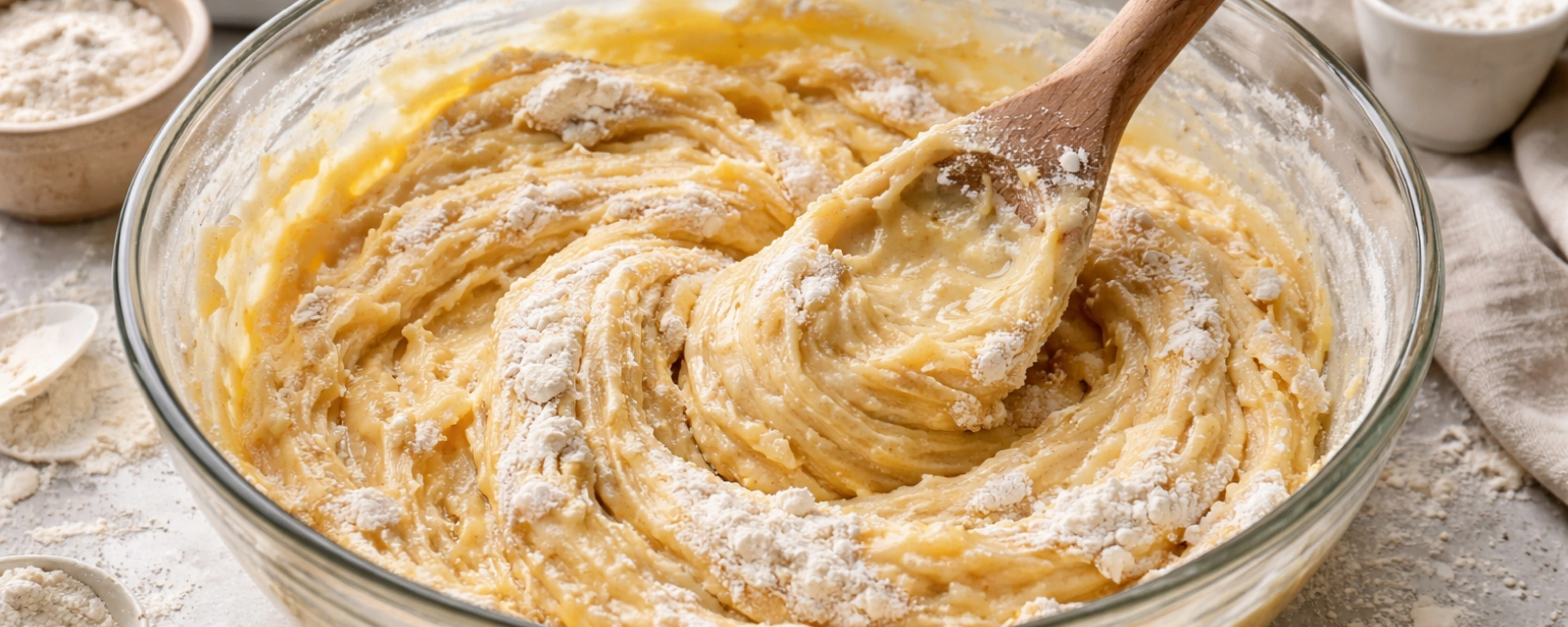
Well, if overmixing the batter is an issue, so is the undermixing of cake premix batter. This is the opposite problem, and it is also common. Some people are so careful about overmixing that they stop too early.
If the batter is undermixed:
- Dry pockets may remain
- The cake may bake unevenly
- The texture may feel patchy
- Some parts may rise while others stay heavy
What to do instead: Mix just enough to remove all lumps. Scrape the sides and bottom of the bowl once or twice. And check that no dry premix remains before pouring into the tin.
For better baking results, understanding premix quality is essential. You can read this detailed guide on how to check cake premix quality at home to ensure better freshness, texture, and consistent baking results every time.
Mistake 4: Using the wrong oven temperature
Setting the right temperature during baking, whether preheating or while baking, is always the major issue a new baker or home baker faces. A lot of baking failures are actually oven problems, not premix problems.
- If the oven is too hot, the cake may rise too fast and crack. The top may brown quickly, or the centre may stay raw.
- If the oven is too cool, the cake may not rise properly. The texture may become dense. And the sponge may dry out after extra baking time
This is a major part of the baking mistakes eggless cake bakers face at home. Even a good premix cannot perform properly in an unstable oven.
What to do instead: Preheat the oven fully before baking. Follow the recommended temperature from the product instructions. And use an oven thermometer if your oven tends to run hot or cold.
Mistake 5: Opening the oven too early
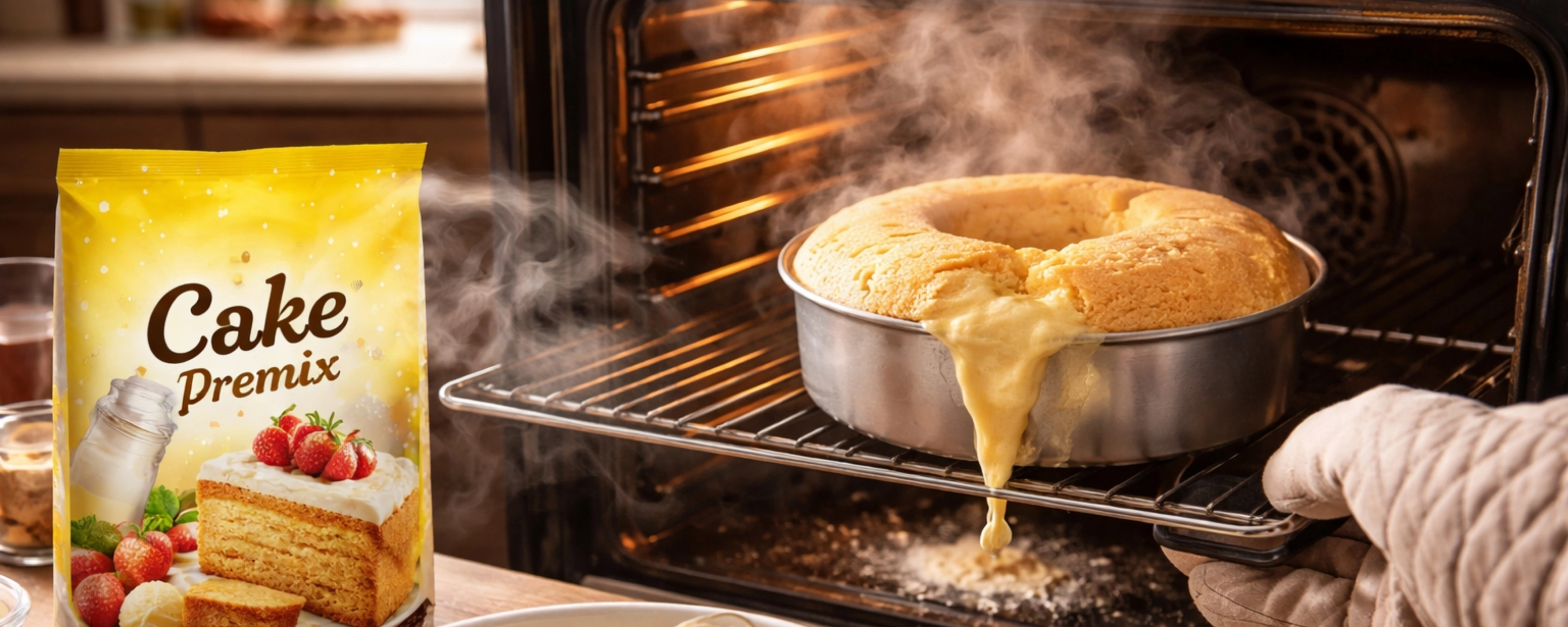
The excitement of seeing the final baking result is always so strong that sometimes bakers ignore the importance of opening the oven at the right time. It is tempting to keep checking the cake, especially if you are a beginner. But opening the oven door too early can disturb the cake while it is still setting.
This can cause:
- a fallen centre
- poor rise
- uneven structure
- a heavy or gummy texture
If you are searching for cake premix baking tips, this is one of the simplest but most important ones.
What to do instead: Do not open the oven in the early baking stage. Wait until most of the baking time is complete. And check doneness only near the final stage with a skewer.
Mistake 6: Choosing the wrong pan size
Picking the right baking moulds is crucial; the pan size directly affects how the cake bakes. A small tin can make the batter overflow or stay undercooked in the middle. A very large tin can make the cake too flat and dry.
This mistake often leads to:
- uneven baking
- dry edges
- thin cakes
- poor rise
Even when using a premium premix, your tin size needs to match the batter quantity. Various premium premix brands like Zion Foods sell cake premix across pack sizes, and for different kinds of users, from home bakers to commercial kitchens, so matching batch size to pan size becomes even more important.
What to do instead: Use the pan size suggested in the recipe or pack instructions. Fill the tin only to the appropriate level. And avoid forcing one batch into the wrong-sized mould.
Mistake 7: Baking for too long
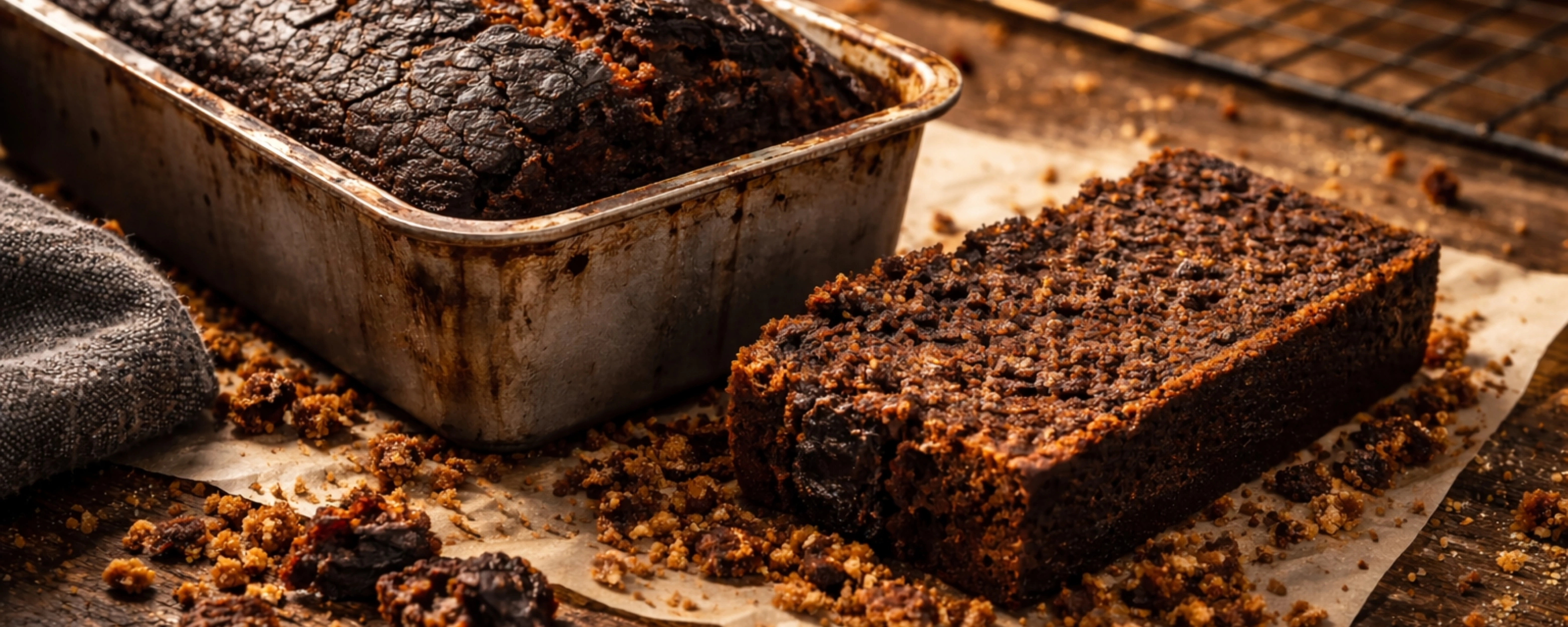
The uncertainty about the final baked product often results in overcooking. First-time bakers, homebakers or sometimes even a bakery owner, to avoid last-minute blunders, overcook the cake. Thus, bakers keep the cake in the oven “just to be safe.” This often does more harm than good.
Overbaking can lead to:
- dryness
- hard edges
- a crumbly texture
- loss of softness
This is another key reason why cake becomes hard or dense. Sometimes the issue is not the premix at all. It is simply extra baking time.
What to do instead: Start checking a few minutes before the expected finish time. Remove the cake once the skewer comes out clean or with a few moist crumbs. And remember that the cake continues to settle slightly after coming out, so wait for the cake to settle.
Mistake 8: Cooling and storing the cake the wrong way
The cooling and storage part plays a major part in the fluffiness and soft texture of the cake. The baking may go well, but the final texture can still suffer if the cake is cooled or stored badly. Well, every new baker or a home baker might have experience that a warm, freshly baked cake is not spongy and can be sticky for a time being.
Common cooling and storage mistakes include:
- leaving the cake in the pan too long
- unmoulding too early and breaking it
- Covering the cake while it's still hot
- storing it uncovered and letting it dry out
This can make a soft cake feel dry within a few hours, which leads bakers to think the premix failed.
What to do instead: Let the cake cool for a short time in the tin first. Then transfer it to a rack for proper cooling. Store it only after it has cooled completely. And keep it in an airtight container to maintain softness.
For safe baking, it's important to avoid duplicate products. You can read this guide on how to identify fake cake premix for home bakers to check packaging, quality, and authenticity before buying or using any premix.
Simple cake premix baking tips for better results
Baking a cake can be tricky and frustrating, especially for new bakers and home bakers. Preparing and mixing proper ingredients along with other small details, sometimes all the bakers need are a few simple tips and tricks that make baking a cake using eggless cake premix a simple, fun activity. Here are some practical habits that make a big difference:
- Read the pack instructions before starting.
- Measure everything accurately.
- Preheat the oven properly.
- Use room-temperature liquids if recommended.
- Mix only until smooth.
- Use the right pan size.
- Do not disturb the cake too early.
- Cool and store it properly.
For bakers choosing a premix brand, choose brands that highlight consistency, egg-free options, flexible pack sizes, and products aimed at home bakers as well as bakeries, which makes the proper method even more important for getting consistent output from batch to batch.
Why avoiding these 8 mistakes matters for home bakers and bakery owners
For home bakers, avoiding these mistakes saves time, money, and frustration. For bakery owners, it also protects consistency, customer trust, and product quality.
A premix is meant to make baking easier and more repeatable. Zion Foods specifically markets its cake premix around consistent texture, easy use, and reliable quality for both small and commercial users. That makes it a practical choice, but only when the baking process is handled correctly.
So if you want better results from your next batch, focus not only on the premix you buy, but also on how you use it.
Final thoughts
Using an egg-free premix can make baking far more convenient, especially for beginners, busy home bakers, and commercial kitchens. But convenience does not remove the basics of good baking.
If you avoid these eggless cake premix mistakes, your chances of getting a soft, fluffy, and consistent cake improve a lot. In most cases, the real issue is not the premix itself. It is one small step in measuring, mixing, baking, or cooling.
So the next time you face an eggless cake not fluffy, dry, or has texture problems, do not panic. Check your process first. A few small changes can give you much better results.
Frequently Asked Questions
Why is my eggless cake premix cake not fluffy?
Your cake may not be fluffy because of overmixing, wrong liquid quantity, low oven temperature, or opening the oven too early. Accurate measurement and gentle mixing usually help improve rise and texture.
Why does cake become hard or dense when using egg-free cake premix?
A hard or dense cake usually happens due to less liquid, overmixing, overbaking, or incorrect oven temperature. Even with a good premix, these small baking mistakes can affect softness and final texture.
What are the most common eggless cake premix mistakes?
The most common mistakes include wrong measuring, overmixing, undermixing, poor oven temperature, wrong pan size, early oven opening, overbaking, and incorrect cooling or storage after baking.
How can I fix cake premix problems and solutions at home?
Start by checking your measurement, oven heat, mixing style, and baking time. Most cake premix problems are process-related, so small corrections in handling usually improve the final result quickly.
Can beginners use Zion Foods egg-free cake premix easily?
Yes. Zion Foods positions its egg-free cake premix as an easy-to-use solution for home bakers and businesses, with a focus on soft, fluffy cakes and convenient baking.
What is the best way to avoid baking mistakes in an eggless cake?
Follow the pack instructions carefully, measure ingredients properly, preheat the oven, mix only until smooth, and avoid overbaking. These simple habits help prevent most eggless cake baking mistakes.
